What do we really mean when we talk about Partially Metalized Bodies Coils in telecom? It’s not just a component. It’s the quiet workhorse inside the equipment that keeps our calls connected and our data streaming.
In communication devices, from a small cell tower to a massive data center switch, signal integrity is everything. If a component drifts in performance because of heat or vibration, you get dropped packets or a lost connection. That’s where these ceramic-based coils come in. Their core is made of alumina ceramic, a material known for being incredibly stable. It doesn’t expand or contract much with temperature changes.
Now, why the partial metalization? Think about how a signal travels. It needs a clear path. The metalized areas—usually tungsten, nickel, or gold—create precise termination points for soldering. The rest of the ceramic body remains bare. This selective coating does two critical things: it provides excellent solderability for a strong, lasting joint, and it maintains the electrical isolation exactly where it’s needed.
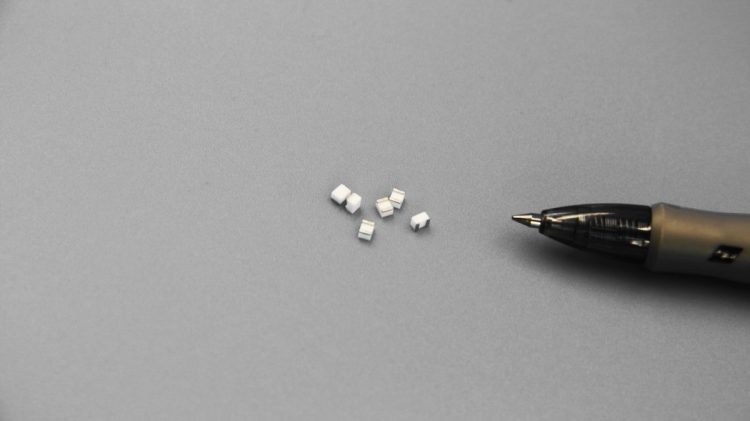
Based on my experience working with RF (radio frequency) engineers, the real challenge in this field is maintaining performance as frequencies climb higher. Partially Metalized Bodies Coils handle this well. Their high precision tolerances mean the inductance value stays where it should be, preventing signal reflection and loss. In a base station, for instance, you might find these coils in the filter circuits. They help sort out the specific frequencies, ensuring your voice call doesn’t bleed into someone else’s.
The miniaturized designs mentioned in product specs are also crucial. Modern telecom hardware is packed tighter than ever. You need a component that performs like a giant but fits in a tiny space. These coils, with their good mechanical strength despite the small size, fit that bill perfectly.
So, when you look at the backbone of our communication networks—the routers, the switches, the remote radio units—you’re likely looking at a board full of these reliable, unassuming components. They just work.