When people talk about advanced materials for tough environments, they often jump straight to metals or high-tech alloys. But in many energy and industrial systems, the real backbone is something a bit quieter, a bit more humble: Metallized Ceramics.
They don’t make a lot of noise. They just work.
In energy equipment, the demands are simple to describe but hard to meet. High temperature. High pressure. Dirty surroundings. And the constant stress of machines that never really rest. Metallized Ceramics step into this world with a mix of strength and insulation that feels almost unfair to compare with common materials. They hold their shape when metals start to soften. They stay electrically stable when plastics begin to fade. And because their ceramic body is coated or bonded with metal, they connect into real-world systems without the usual fragility that pure ceramics would bring.
Think about a power plant for a moment. Inside the equipment, heat moves everywhere. Signals need to pass through sealed housings. Sensors must survive near burners or turbines. It’s a harsh neighborhood. Yet Metallized Ceramics fit in naturally because they handle heat calmly, and because their metalized surfaces allow them to be brazed, welded, or sealed into bigger assemblies without losing the insulation that makes them valuable in the first place.
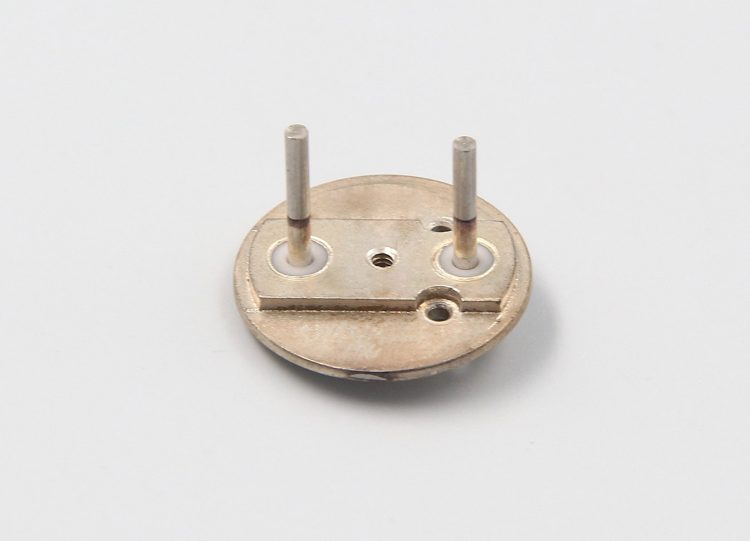
Industrial machinery tells a similar story. Pumps, high-temperature furnaces, pressure vessels, or heavy-duty converters all rely on components that stay stable even when the environment gets unpredictable. Here, Metallized Ceramics show their strength in feedthroughs, insulators, and sealing interfaces. Long hours. Constant vibration. Chemical exposure. They take all of it in stride.
And they age slowly — which, in industrial work, is almost as important as durability itself.
There’s also a practical side worth mentioning. These parts don’t only resist heat or pressure; they help systems run safely. A failed seal or a cracked insulator can shut down an entire production line. Or worse. Metallized Ceramics reduce that risk by combining ceramic stability with the bonding and connection flexibility of metal, so machinery can run as intended without constant worry.
In short, Metallized Ceramics may not be flashy, but they play a steady, essential role across the energy and industrial world. They bridge the gap between delicate electronics and brutal mechanical environments. They help maintain safety and efficiency. And they keep doing it year after year, quietly proving why they deserve a place in equipment that simply cannot fail.
If you work around energy systems or industrial machines, you’ve probably depended on them already — whether you knew it or not.