Let’s talk about cars. Not the shiny paint or the leather seats. I mean the brains underneath – the sensors that let a car see, think, and react. That’s where the Ceramic SMD Laser Package comes in. You might not have heard of it. But without it, self-driving cars would be blind.
So what does this little ceramic box do? It holds a laser diode. Protects it. Cools it. And connects it to the outside world. Cars are tough environments. Heat, vibration, moisture – they kill ordinary electronics. Ceramic doesn’t care. It laughs at heat. And that matters more than you think.
Based on my experience, engineers often underestimate the thermal stress inside a LiDAR module. A laser fires thousands of pulses per second. Each pulse creates heat. If that heat stays, the laser dies. Fast. The Ceramic SMD Laser Package uses materials like aluminum nitride – crazy good at pulling heat away. No thermal bottleneck. No early failure. Just consistent performance.
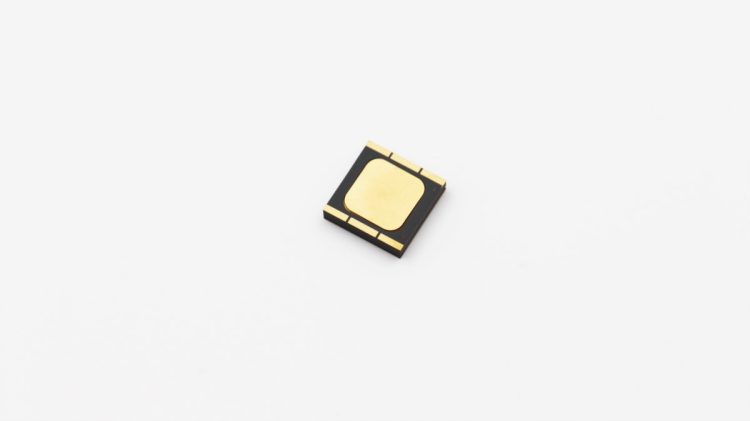
Laser SMD Ceramic Shell
Now let’s look at real car applications.
First, LiDAR. This is the spinning or fixed sensor on top of some test vehicles. It shoots laser beams and measures how long they take to bounce back. That builds a 3D map of the road. The laser inside needs precise alignment. And it needs to survive potholes, summer heat, and freezing winters. The ceramic package keeps everything stable. No shifting. No cracking.
Second, driver monitoring systems (DMS). You’ve seen those tiny cameras on the steering column. They track your eyes. If you look away for too long, the car warns you. Those cameras use infrared lasers – invisible to you, but bright to the sensor. The Ceramic SMD Laser Package makes those lasers small enough to hide behind a plastic cover. And reliable enough to work every time you drive.
Third, smart headlights. Matrix LED and laser headlights can dim individual pixels to avoid blinding oncoming drivers. That requires fast, accurate laser control. The ceramic package handles high current without melting. It also seals out moisture – headlights get condensation, but the laser stays dry.
Here’s the thing. Traditional plastic or metal packages can’t match ceramic. Plastic degrades under UV and heat. Metal expands and contracts – that throws off alignment. Ceramic is stiff. Its thermal expansion matches the laser chip almost perfectly. So nothing breaks loose.
One more detail. The “SMD” stands for surface-mount device. That means robots can pick and place these packages onto circuit boards automatically. Car makers love that. Less manual assembly. Lower cost. Higher consistency.
So next time you see a car that parks itself or warns you about a cyclist – think about the little ceramic box inside. It’s small. It’s quiet. But it’s doing a huge job.